
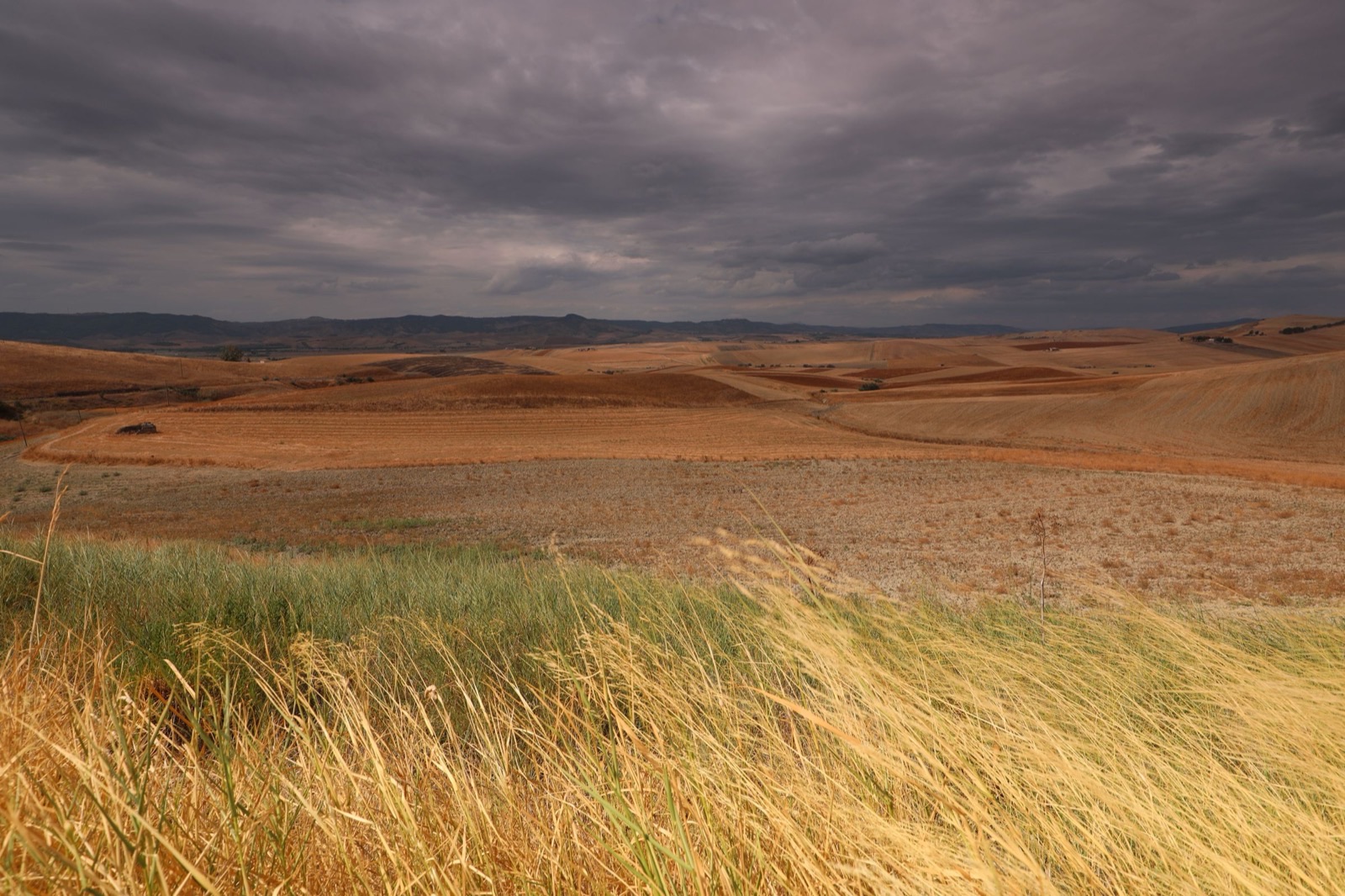
Summer in Amarillo is a season of contrasts. One afternoon you're watching the sunset from the Palo Duro Canyon floor. The next, you're scrambling for cover as a hailstorm rolls across I-27. You're firing up the grill, filling the pool, loading the family into the car for a road trip to Colorado, and praying your AC unit survives another Panhandle July.
It's also the season that puts the most stress on your insurance coverage.
At High Plains Insurance Agency, we see the same patterns every summer: hail claims, auto accidents from summer travel, pool-related liability incidents, and heat-related home damage. The good news? Most of these are preventable or insurable—if you know what to check before summer hits.
Here's your complete summer coverage checklist for the Texas Panhandle.
1. Verify Your Comprehensive Auto Coverage for Hail
Let's start with the biggest summer risk in Amarillo: hail. Hail season peaks in May and June, but we've seen significant hailstorms as late as August and September. If your car gets pummeled by golf-ball-sized hail while you're parked at the United Supermarket on Bell Street, you need comprehensive coverage to pay for the damage.
What to check:
- Do you have comprehensive coverage on your auto policy? Liability-only policies do not cover hail damage.
- What is your comprehensive deductible? A $500 deductible is common, but some policies have $1,000 or higher. Make sure you know your number.
- Is your rental car coverage adequate? If your car is in the shop for two weeks after a hailstorm, you'll need a rental. Standard rental coverage is often $30–$40 per day with a cap. Make sure the cap is high enough.
Pro tip: If you don't have comprehensive coverage and your car is paid off, consider adding it before June. The cost is relatively low—often $100–$300 per year—and in Amarillo, the odds of needing it are high.
For a deeper dive, check out our post on comprehensive auto coverage for hail in the Panhandle.
2. Check Your Pool Liability Coverage
Nothing says summer in Amarillo like a backyard pool. Whether you have an in-ground pool in Sleepy Hollow or an above-ground model in The Colony, a pool is what insurance companies call an "attractive nuisance"—meaning it attracts people (especially kids) and creates liability risk.
What to check:
- Does your homeowners policy include pool liability coverage? Most standard policies do, but the limits may not be adequate.
- What are your liability limits? We recommend at least $300,000 to $500,000 in personal liability coverage if you have a pool.
- Do you have an umbrella policy? If someone is seriously injured at your pool—a diving accident, a slip and fall—medical bills and legal costs can easily exceed your standard liability limits. An umbrella policy provides an extra layer of protection.
- Is your pool properly fenced? Most insurance carriers require a fence with a self-latching gate around any pool. If your fence is damaged or missing, your coverage could be affected.
- Do you have a diving board or slide? Some carriers exclude or limit coverage for diving boards and slides due to the increased risk of injury.
Pro tip: If you're installing a new pool this summer, call us at 806-476-9700 before construction starts. Your homeowners policy may need to be updated, and your contractor should have their own liability and workers' compensation insurance.
3. Review Your Umbrella Policy
An umbrella policy is one of the most cost-effective ways to protect your assets, and summer is when you're most likely to need it. Here's why:
- Pool accidents — A spinal injury from a diving accident can generate medical bills in the millions.
- Auto accidents — Summer road trips mean more miles on the road and more opportunities for serious accidents.
- Teen drivers — Summer is when newly licensed teens drive the most.
- Entertaining — More backyard parties, barbecues, and gatherings mean more opportunities for someone to get hurt on your property.
What to check:
- Do you have an umbrella policy? If not, consider adding one. A $1 million umbrella policy typically costs $150–$300 per year.
- Is your umbrella policy's underlying limit adequate? Most umbrella policies require you to carry at least $300,000 in auto liability and $300,000 in home liability.
- Does your umbrella policy cover all your vehicles and properties? Make sure it sits on top of both your auto and homeowners policies.
Pro tip: If you have a teenage driver in the house, an umbrella policy is especially important. Teen drivers have significantly higher accident rates, and the liability exposure is real.
4. Ensure AC and Furnace Breakdown Coverage
When it's 105 degrees in Amarillo and your AC unit gives out, you're not just uncomfortable—you're looking at a $5,000 to $12,000 replacement bill. And here's the hard truth: a standard homeowners policy does NOT cover mechanical breakdown of your AC or furnace. If the compressor fails because of age or normal wear and tear, you're on your own.
What to check:
- Does your homeowners policy include equipment breakdown coverage? This is an endorsement that covers mechanical and electrical breakdown of major home systems—AC, furnace, water heater, electrical panel, well pump, and appliances.
- If you don't have it, add it. Equipment breakdown coverage typically costs $50–$100 per year and covers the repair or replacement of covered equipment.
- Do you have a home warranty? A home warranty is different from insurance—it covers age-related breakdowns of appliances and systems. It's not a replacement for equipment breakdown coverage, but it can be a useful supplement.
Pro tip: Have your AC system serviced before summer. A well-maintained unit is less likely to fail, and a service record can help if you ever need to file a claim.
5. Summer Travel and Rental Car Coverage
Summer in the Panhandle means road trips. Whether you're driving to the mountains of Colorado, the beaches of the Gulf Coast, or just over to Albuquerque for the weekend, your insurance needs to travel with you.
What to check:
- Does your auto policy cover rental cars? Most personal auto policies extend liability and physical damage coverage to rental cars, but the coverage is the same as what you have on your own car. If you have liability-only on your personal vehicle, you have liability-only on the rental.
- Do you need rental car insurance from the counter? If you have comprehensive and collision on your personal auto policy, you can usually decline the rental company's damage waiver. But check your deductible—if it's $1,000, you're responsible for the first $1,000 of damage to the rental.
- Does your credit card offer rental car coverage? Many premium credit cards provide secondary rental car coverage. Some offer primary coverage. Check your card's benefits before you travel.
- Do you have roadside assistance? If you're driving across West Texas or through New Mexico, having roadside assistance on your policy can save you hundreds of dollars on a single tow.
- Are you covered in other states? Your auto policy covers you in all 50 states and Canada. Mexico is a different story—most U.S. auto policies do not cover driving in Mexico. If you're heading south of the border, you need a separate Mexican auto policy.
Pro tip: If you're flying somewhere and renting a car, check your auto policy before you get to the rental counter. The insurance the rental company tries to sell you is almost always more expensive than what you already have.
6. Teen Driver Insurance for Summer
Summer is when newly licensed teen drivers hit the road in earnest. School's out, they have more free time, and their accident risk spikes. According to the AAA Foundation for Traffic Safety, the period between Memorial Day and Labor Day is the "100 Deadliest Days" for teen drivers.
What to check:
- Have you added your teen driver to your policy? If your teenager has a license and is driving your car, they need to be listed on your policy. If they cause an accident and aren't listed, your claim could be denied.
- Are you taking advantage of good student discounts? Most carriers offer a discount for students with a B average or better. Provide a copy of their report card.
- Have you considered a telematics program? Many carriers offer usage-based insurance programs that track driving behavior through a mobile app or device. Safe driving can earn significant discounts.
- Is your teen driving an older, less expensive car? The car your teen drives affects your premium significantly. A 10-year-old sedan costs much less to insure than a new sports car.
- Do you have adequate liability limits? With a teen driver in the house, we strongly recommend increasing your liability limits and adding an umbrella policy.
Pro tip: If your teen is going away to college and won't have a car on campus, you may be able to remove them from your policy or get a discount. Call us to discuss your specific situation.
7. Heat-Related Home Damage Coverage
Extreme heat can damage your home in ways you might not expect. Here's what to watch for:
- Foundation issues — The clay soil in the Texas Panhandle expands and contracts with moisture changes. Extreme heat and drought can cause soil shrinkage, leading to foundation settlement and cracks. Standard homeowners policies typically exclude earth movement, including soil shrinkage. However, if the foundation damage is caused by a plumbing leak (which is covered), the resulting foundation repair may be covered.
- Expansion and contraction damage — Extreme heat can cause roofing materials, siding, and trim to expand and contract, leading to cracks and gaps. This is generally considered wear and tear and is not covered by insurance.
- Fire risk — Summer heat increases the risk of wildfires in the Panhandle. Check your policy for wildfire coverage. Most standard policies cover fire, but if you live in a high-risk area, you may need additional coverage.
- Power surge damage — Summer storms and high electricity demand can cause power surges that damage electronics and appliances. Some policies cover power surge damage; others exclude it. Equipment breakdown coverage often includes surge protection.
What to check:
- Review your policy for heat-related exclusions
- Consider equipment breakdown coverage for AC and electrical system protection
- Check your fire coverage limits and ensure they're adequate
- If you have a sprinkler system, make sure it's maintained—a broken sprinkler line can cause foundation issues
End-of-Season Review
Summer doesn't end when the calendar says September. In the Panhandle, severe weather can continue into October. But as the season winds down, we recommend a post-summer insurance review:
- Review any claims you filed during the summer. Were they handled properly? Are there any outstanding issues?
- Update your home inventory with any new purchases (pool equipment, outdoor furniture, summer gear).
- Check your deductibles. If you filed a hail claim, your deductible experience may inform whether you want to adjust it.
- Review your teen driver's record. If they had any incidents, your premium may be affected at renewal.
- Assess your umbrella policy. Did you feel adequately protected? Consider increasing limits if needed.
Call us at 806-476-9700 to schedule your end-of-summer review. We'll go through your policies line by line and make sure you're set for fall and winter.
FAQ
Does my homeowners policy cover my above-ground pool?
Yes, but with limitations. An above-ground pool is typically covered as personal property (subject to your Coverage C limit) rather than as a structure. Liability coverage for injuries at the pool is included under your personal liability coverage. We recommend checking your liability limits and fence requirements.
Do I need to tell my insurance company if I install a pool?
Yes. Installing a pool increases your liability risk, and your insurance company needs to know. Your premium may increase, but the alternative—having a claim denied because you didn't disclose the pool—is much worse.
Is hail damage to my car covered if I only have liability insurance?
No. Liability insurance only covers damage you cause to others. To cover hail damage to your own vehicle, you need comprehensive coverage. If you don't have it, consider adding it before hail season peaks.
Does my auto policy cover me when I drive to Mexico?
Generally, no. Most U.S. auto policies do not provide coverage in Mexico. If you're planning a trip to Mexico, you need a separate Mexican auto insurance policy. We can help you arrange that.
What's the difference between equipment breakdown coverage and a home warranty?
Equipment breakdown coverage is an insurance endorsement that covers sudden mechanical or electrical failure of your home's systems and appliances. A home warranty is a service contract that covers age-related breakdowns. They serve different purposes and can complement each other.
Should I add a teen driver to my policy or get them their own policy?
In almost all cases, adding your teen to your existing policy is more affordable than getting them their own policy. Multi-car and multi-policy discounts make a significant difference. Call us and we'll run the numbers both ways.
How much does an umbrella policy cost?
A $1 million umbrella policy typically costs $150 to $300 per year. A $2 million policy costs $250 to $500 per year. It's one of the most affordable ways to add significant liability protection.
Get Your Summer Coverage Checked
Summer in the Texas Panhandle is beautiful, unpredictable, and hard on your home and vehicles. Don't wait until after a hailstorm, a pool accident, or a road trip fender-bender to find out your coverage is inadequate.
Call High Plains Insurance Agency at 806-476-9700 or stop by our office at 4174 Business Park Dr in Amarillo. We'll run through this checklist with you, review your policies, and make sure you're ready for whatever the Panhandle summer throws your way.